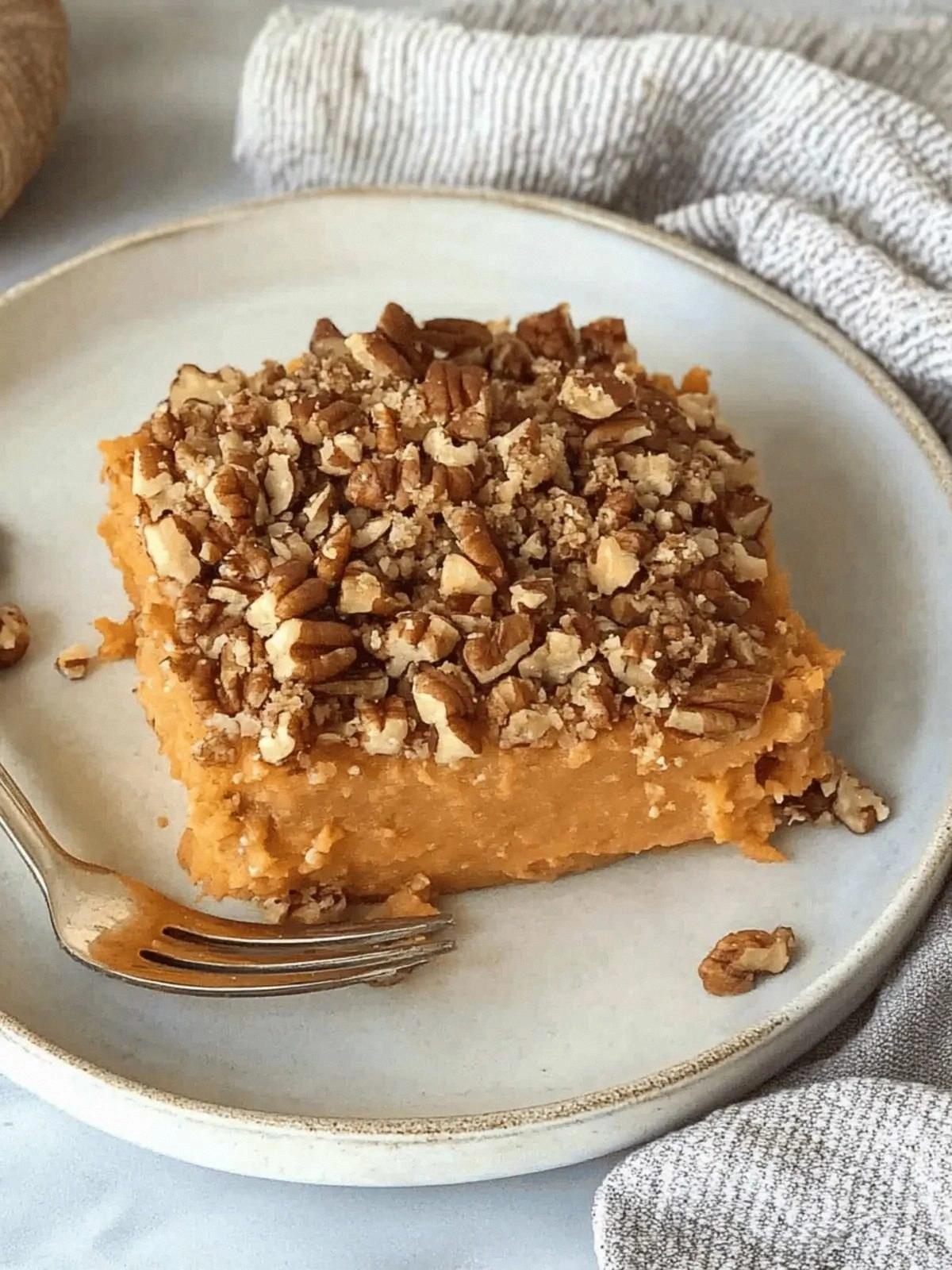
I was standing in my kitchen, staring at a pile of burnt, over‑cooked sweet potatoes that had been on the stove for an hour, and I thought, “I can’t even finish a casserole without turning it into a disaster.” The moment the oven door opened, the sweet, earthy scent of caramelized sugar and toasted pecans flooded the air, and I knew I had stumbled upon something extraordinary. It was the kind of dish that makes the kitchen feel like a warm, comforting hug, with a buttery glaze that coats the sweet potato slices like velvet and a crunchy top that shatters like thin ice under the first bite. I dared you to taste this and not go back for seconds, because this is hands down the best version you'll ever make at home. Picture yourself pulling this out of the oven, the whole kitchen smelling incredible, and the anticipation of the first bite hanging in the air like a sweet, syrupy promise. Let me walk you through every single step — by the end, you'll wonder how you ever made it any other way.
I’ve tried every sweet potato casserole recipe I could find, from the bland, over‑baked versions to the overly sweet, syrup‑heavy ones that leave you feeling like you’ve swallowed a dessert. What sets this one apart is the delicate balance of flavors: a hint of vanilla that lifts the sweetness, a touch of cinnamon that grounds it, and a buttery crust that adds a satisfying crunch. The batter is silky, thanks to the combination of milk and eggs, and the pecans provide a nutty, slightly smoky contrast that’s both bold and comforting. The result is a casserole that feels like a holiday classic, but with a modern twist that makes it feel fresh and daring. And the best part? It’s simple enough that even a novice cook can master it with confidence.
I’ll be honest — I ate half the batch before anyone else got to try it, and my friends begged for the recipe right after the first spoonful. The texture of this casserole is a dream: the sweet potato base is creamy and smooth, the topping is crisp and caramelized, and the pecans add a satisfying crunch that keeps you coming back for more. If you've ever struggled with this, you're not alone — and I've got the fix. Most recipes get this completely wrong by over‑cooking the sweet potatoes or using too much sugar, but this version keeps the potatoes tender and the glaze perfectly balanced. I’m about to share a technique that will elevate the flavor profile to something unforgettable.
The secret lies in the timing of the additions and the careful layering of flavors. By sautéing the pecans until they’re golden before mixing them into the batter, you unlock their natural oils and bring out a deeper, richer taste that lingers on the palate. The maple syrup isn’t just a sweetener; it’s a flavor enhancer that gives the casserole a subtle depth that’s hard to replicate with regular sugar. This dish also showcases the versatility of sweet potatoes, turning them into a canvas that absorbs vanilla, cinnamon, and butter in perfect harmony. I promise, by the end of this guide, you’ll feel like a culinary magician in your own kitchen.
What Makes This Version Stand Out
- Flavor Depth: The blend of vanilla, maple syrup, and cinnamon creates layers of taste that unfold with every bite, far beyond the usual sweet‑and‑salty combination.
- Texture Contrast: The silky sweet‑potato base meets a buttery, caramelized topping that offers a satisfying crunch, keeping each mouthful engaging.
- Ingredient Quality: Using real maple syrup and fresh pecans elevates the dish, making it feel artisanal rather than mass‑produced.
- Simple Prep: The recipe requires minimal chopping and only one pan, so you can focus on flavor rather than juggling multiple dishes.
- Make‑Ahead Friendly: You can assemble the casserole, refrigerate it, and bake it later without compromising texture or taste.
- Versatile Crowd‑Pleaser: It works as a side dish, a main course, or even a dessert, depending on your plating and portion size.
Alright, let's break down exactly what goes into this masterpiece. The next section will dive into each ingredient, explaining why it matters and how it contributes to the final symphony of flavors.
Inside the Ingredient List
The Flavor Base
Sweet potatoes are the heart of this casserole, offering natural sweetness that pairs beautifully with maple syrup. When boiled, they break down into a creamy consistency that holds the batter together. If you skip the sweet potatoes, you lose the dish’s signature body and the subtle, earthy undertones that balance the maple. For a different twist, try using butternut squash, which adds a slightly nuttier flavor while maintaining the creamy texture.
Vanilla extract is more than a garnish; it lifts the overall sweetness, adding a fragrant, almost floral note that lingers long after the first bite. A teaspoon is enough to infuse the mixture without overpowering the natural flavors. If you’re allergic to dairy or prefer a vegan version, use a plant‑based vanilla extract or a splash of almond milk instead of the regular milk.
Maple syrup brings a natural sweetness that’s less cloying than refined sugar, thanks to its complex flavor profile of caramel and subtle woodiness. The ¼ cup of pure maple syrup balances the savory elements and gives the casserole a glossy finish. If you’re looking for a lower‑calorie alternative, consider using a light honey or agave nectar, but be prepared for a slightly different taste.
The first teaspoon of cinnamon is sprinkled into the batter, providing a warm, spicy undertone that complements the sweet potatoes and maple. Cinnamon’s subtle heat cuts through the richness, creating a more balanced flavor profile. If you prefer a stronger cinnamon presence, add a pinch more or use ground cinnamon instead of a stick for a deeper aroma.
Kosher salt, in the ½ teaspoon quantity, is essential for bringing out the natural flavors of each component. It’s a fine balance; too little salt will leave the casserole bland, while too much will overpower the sweetness. If you’re watching sodium, a pinch of sea salt can work as a lighter alternative.
The Texture Crew
Milk of choice—whether dairy, almond, or oat—provides moisture and helps bind the batter. The ½ cup measurement ensures a silky consistency that’s neither too runny nor too thick. If you prefer a thicker batter, reduce the milk slightly, or increase it for a looser mix that spreads more evenly.
Eggs are the glue that holds everything together, creating a cohesive structure that sets beautifully when baked. Two large eggs provide enough protein to give the casserole a firm yet tender crumb. For a vegan version, replace the eggs with flaxseed or chia egg, mixing one tablespoon of ground flaxseed with three tablespoons of water and letting it sit for five minutes.
The pecans add a nutty crunch that contrasts with the smooth base. A cup of chopped pecans is generous enough to provide texture without overwhelming the dish. If you’re allergic to nuts, substitute with toasted coconut flakes or chopped dried fruit for a similar crunch.
Brown sugar, at ¼ cup, contributes caramelized sweetness that deepens the glaze’s flavor. It also helps create a crisp, golden topping when combined with butter. For a healthier option, replace it with coconut sugar or a sugar substitute that melts well.
Flour, measured at ¼ cup, gives the batter structure, preventing it from becoming too loose. It absorbs excess moisture from the sweet potatoes and eggs, ensuring a firm, cohesive casserole. If you’re gluten‑free, substitute with oat or almond flour, but be aware it may alter the texture slightly.
The Unexpected Star
Unsalted butter, both softened and melted, is used in two stages to create layers of flavor and texture. The ¼ cup softened butter is folded into the batter, adding richness and a silky mouthfeel. The ¼ cup melted butter, combined with brown sugar and cinnamon, forms the caramelized topping that crisps to perfection.
The second ½ teaspoon of cinnamon, reserved for the topping, adds a final burst of warmth that balances the sweet glaze. Its presence ensures that every bite is a harmonious blend of sweet, nutty, and spicy notes. If you prefer a more pronounced cinnamon flavor, add an extra pinch to the topping mixture.
Everything's prepped? Good. Let's get into the real action, where the magic truly begins and every step counts towards a spectacular final result.
The Method — Step by Step
- Preheat your oven to 375°F (190°C). Peel and cube 3 cups of sweet potatoes, then steam them until just tender, about 10 minutes. While they’re steaming, whisk together 1/4 cup softened butter, 1 tsp vanilla extract, 1/4 cup maple syrup, 1 tsp cinnamon, and 1/2 tsp kosher salt in a large bowl. The aroma of vanilla and cinnamon should already start teasing your senses. Once the potatoes are steamed, mash them until smooth, then fold them into the butter mixture, creating a silky, fragrant batter. This is the moment of truth: the batter should be thick but pourable, ready to hold the eggs without becoming too runny.
- In a separate bowl, whisk 2 large eggs and 1/2 cup milk until fully blended. Gently fold the egg‑milk mixture into the sweet‑potato batter, ensuring there are no lumps. The batter should look light and airy, with a hint of golden shimmer from the eggs. If it appears too thick, add a tablespoon of milk at a time until it reaches a smooth, pourable consistency. The batter is now ready for the next step, where the pecans and sugars join the party.
- Stir in 1 cup chopped pecans, 1/4 cup brown sugar, 1/4 cup flour, and 1/4 cup melted butter. Mix until the pecans are evenly coated and the batter looks glossy. The brown sugar should dissolve into the mixture, creating a subtle caramel sheen. This mixture should feel slightly thick, with the flour providing structure and the melted butter adding a buttery crunch. The batter now has a balanced sweetness and a promising texture profile.
- Transfer the batter into a greased 9×13 inch baking dish, smoothing the top with a spatula. Sprinkle the remaining 1/2 tsp cinnamon evenly over the surface for an aromatic finish. The cinnamon should coat the batter like a fine dusting, promising a warm, spiced aroma as it bakes. Ensure the batter is spread evenly so every bite receives the same flavor and texture. This step sets the stage for the glorious golden crust that will form.
- Bake in the preheated oven for 25–30 minutes, or until the top is golden and the center is set. The first 15 minutes should show the batter rising and the edges starting to pull away from the sides. The aroma of toasted pecans and caramelized sugar will fill the kitchen, creating an irresistible scent that makes everyone want to sneak a bite. Keep an eye on the top; if it browns too quickly, cover loosely with foil. By the end of baking, the casserole should feel firm yet tender, with a caramelized crust that cracks when you press it.
- Remove the casserole from the oven and let it rest for 10 minutes before slicing. This resting period allows the flavors to settle and the structure to firm up, making it easier to cut clean slices. During this time, the caramelized glaze will slightly thicken, adding a glossy, mouth‑watering sheen. If you’re in a rush, you can serve immediately, but the resting period truly enhances the experience. The aroma will still be strong, but the texture will be perfected.
- Serve warm, optionally drizzled with a splash of maple syrup or a dollop of whipped cream. The sweet, buttery base pairs wonderfully with a light, airy whipped topping, creating a dessert‑like finish. Alternatively, serve it as a savory side dish with roasted chicken or turkey, letting the sweet‑potato flavors complement the protein. The key is to let the casserole’s natural sweetness shine through while balancing it with a subtle savory note. Enjoy the symphony of flavors that dance on your palate.
- If you want to take this dish to the next level, sprinkle a pinch of sea salt over the top before serving to enhance the sweetness and deepen the flavor profile. The salt crystals will add a delightful crunch and a burst of umami that elevates the dish. This final touch transforms an already decadent casserole into an unforgettable culinary experience. Remember, the right balance of sweet and savory is what makes this recipe truly special. Serve with love and watch the smiles appear.
That's it — you did it. But hold on, I've got a few more tricks that'll take this to another level. These insider tips will help you avoid common pitfalls and elevate the flavor profile even further.
Insider Tricks for Flawless Results
The Temperature Rule Nobody Follows
Many cooks overlook the importance of oven temperature; a slightly lower heat can prevent the top from burning while still ensuring the center sets. Set your oven to 375°F (190°C) and avoid using the broiler until the final minutes for a crisp top. If your oven runs hot, offset by 10–15°F to maintain a gentle bake. This subtle adjustment keeps the sweet potatoes tender and the glaze caramelized without scorching. Remember, even a small temperature variance can dramatically change the outcome.
Why Your Nose Knows Best
The scent of baking sweet potatoes is a powerful indicator of doneness. When you smell a warm, buttery aroma mingling with sweet maple notes, the casserole is almost ready. If the smell leans too sweet, give it a few more minutes; if it smells sharp, it’s done. Trusting your nose can save you from overcooking or undercooking. This sensory cue is a reliable shortcut that seasoned bakers swear by.
The 5-Minute Rest That Changes Everything
Letting the casserole rest for 10 minutes after baking allows the caramelized glaze to set, creating a perfect bite‑size consistency. During this time, the flavors meld together, resulting in a richer taste. The rest period also prevents the batter from cracking when you cut it, ensuring clean slices. If you’re short on time, a 5‑minute rest still offers noticeable benefits, but the full 10 minutes are ideal. This simple step transforms the casserole from good to unforgettable.
The Pecans’ Secret
Toasting pecans before mixing them into the batter unlocks their natural oils and gives them a smoky flavor that elevates the dish. Stir them in just before baking to keep their crunch intact. If you skip the toasting, the pecans may end up soggy and bland. Toasting also helps the pecans adhere better to the batter, preventing them from sinking to the bottom. This small but crucial step brings a professional touch to your casserole.
The Sweet‑Potato Prep Trick
Steaming the sweet potatoes until just tender preserves their natural sweetness and ensures a smooth mash. Avoid boiling them, as it can lead to a watery texture that dilutes the batter. If you prefer a more pronounced sweet‑potato flavor, let them steam slightly longer for a deeper caramelization. This technique keeps the casserole moist and flavorful, preventing it from becoming dry or bland. A well‑steamed base is the foundation of a perfect casserole.
Creative Twists and Variations
This recipe is a playground. Here are some of my favorite ways to switch things up:
Maple‑Honey Fusion
Swap the maple syrup for a blend of maple and honey for a richer, floral sweetness. The honey adds a subtle depth that pairs beautifully with the cinnamon. This version works especially well when served alongside roasted pork or turkey. The combination of maple’s caramel notes and honey’s floral undertones creates a complex flavor profile that will wow your guests. It’s a perfect holiday twist that feels both familiar and innovative.
Spicy Jalapeño Kick
Add finely chopped jalapeño to the batter for a surprising heat that balances the sweetness. The spice cuts through the richness, creating a well‑rounded flavor. This variation is ideal for those who love a bit of heat in their desserts. The jalapeño also adds a subtle green color contrast, making the dish visually appealing. Serve with a cool yogurt drizzle to tame the heat.
Almond Butter Swirl
Incorporate almond butter into the batter for a nutty depth that complements the pecans. The almond butter adds a creamy texture that enhances the overall mouthfeel. This version is perfect for those who love the nutty flavor of almonds. It pairs wonderfully with a sprinkle of sea salt on top for an extra layer of flavor. The result is a luxurious, nut‑laden casserole that feels indulgent.
Cranberry‑Pecan Delight
Stir in a cup of dried cranberries for a tart contrast that brightens the dish. The cranberries provide a chewy texture and a burst of acidity that cuts through the sweet base. This variation is great for Thanksgiving or any fall gathering. The cranberry‑pecan combo adds a festive touch that’s both sweet and tart. The dish becomes a showstopper on any holiday table.
Vegan Sweet Potato Bake
Replace the eggs with flaxseed or chia egg, and use oat milk instead of dairy. The batter will still set nicely, thanks to the binding power of flaxseed. Use coconut sugar for a subtle tropical sweetness. This version is dairy‑free, nut‑free, and vegan, making it inclusive for all dietary needs. The flavor remains decadent, proving that vegan doesn’t mean compromising on taste.
Citrus‑Infused Surprise
Add zest from one orange and a splash of orange juice to the batter for a bright, citrusy lift. The citrus pairs beautifully with maple syrup, creating a fresh contrast to the sweet potatoes. This variation is perfect for spring or summer gatherings. The bright citrus notes provide a refreshing balance to the rich, buttery base. Serve with a dollop of coconut whipped cream for a tropical twist.
Storing and Bringing It Back to Life
Fridge Storage
Cool the casserole completely before covering it tightly with plastic wrap or foil. Store in the refrigerator for up to 3 days. The casserole remains moist and flavorful, thanks to the maple syrup and butter. When you’re ready to serve, reheat in the oven at 350°F (175°C) for 10–12 minutes, or until heated through. The glaze will regain its glossy sheen, and the pecans will stay crisp.
Freezer Friendly
Wrap the cooled casserole in two layers of plastic wrap, then place it in an airtight freezer bag. Freeze for up to 2 months. When you want to enjoy it, thaw overnight in the refrigerator, then bake at 375°F (190°C) for 25–30 minutes, or until heated through. The texture may be slightly softer, but the flavor remains just as delicious. The maple syrup helps preserve moisture, preventing the casserole from drying out during freezing.
Best Reheating Method
To reheat leftovers, add a splash of milk or a small amount of water to the casserole before warming. This trick steams the dish back to its original moisture level. Reheat in a covered oven at 350°F (175°C) for 10–12 minutes, or until warmed through. The glaze will soften slightly, creating a silky finish. If you prefer a crisp top, finish under the broiler for a minute or two, watching closely to avoid burning. The result is a reheated casserole that tastes almost brand‑new.