The first time I tried to make a quick, flavorful dinner that would impress a group of friends, I almost burned the kitchen. A pan of over‑cooked fish, a pot of bland sauce, and a ruined dinner plan. I was staring at a half‑cooked salmon fillet and a can of coconut milk that looked more like a mystery box than a pantry staple. That night, I vowed to create a recipe that would rescue the evening, not doom it. Fast forward, I discovered the Caribbean Coconut Curry Salmon, a dish that turns a simple pan into a tropical paradise in minutes.
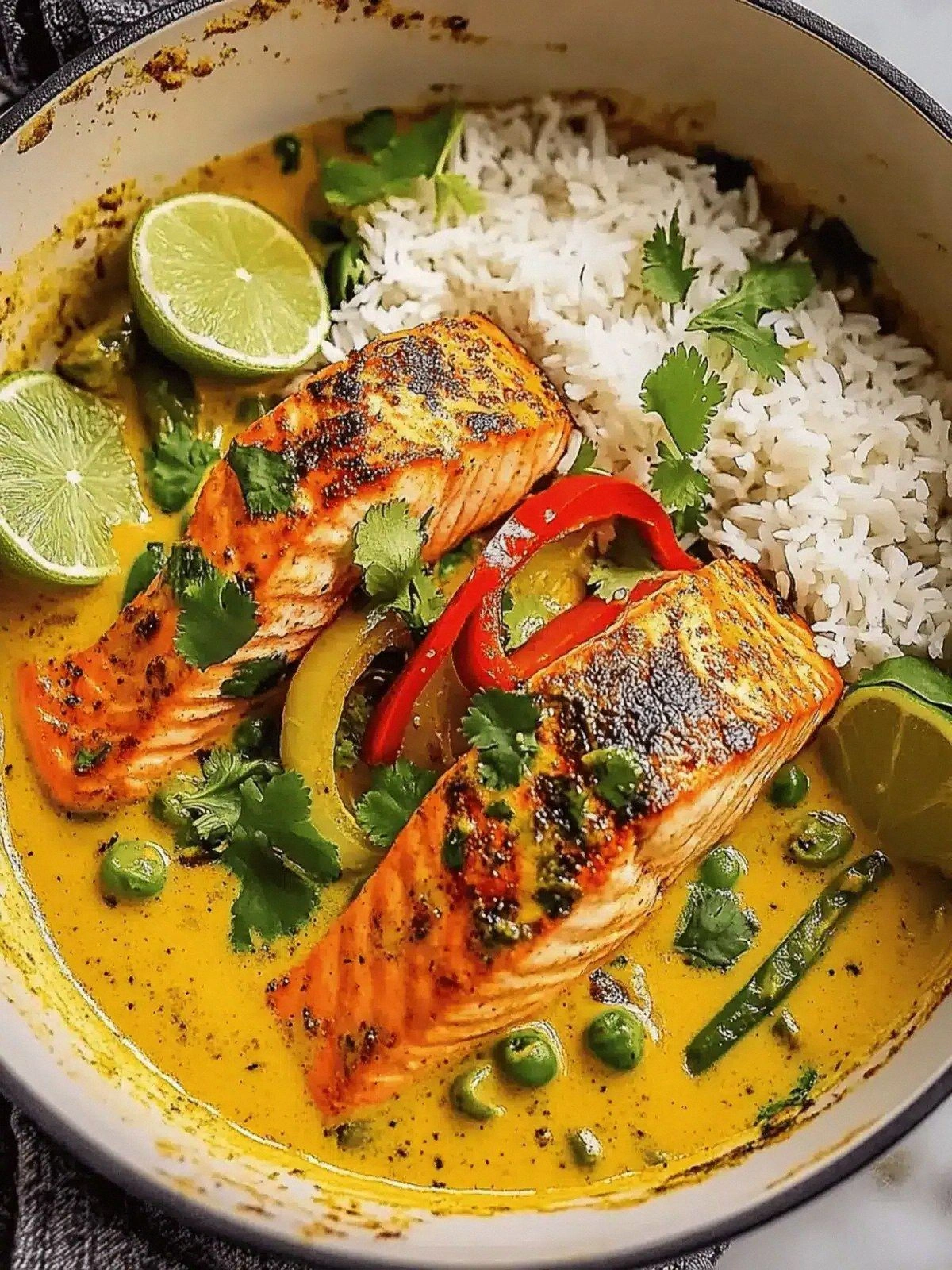
Picture this: the moment the salmon hits the skillet, the sizzle is like a drumbeat announcing the start of a flavor concert. The air fills with the sweet aroma of toasted curry powder mingling with the sharp tang of fresh bell peppers. When you cut into the fish, the flesh is buttery, flaky, and the sauce clings to it like a silky velvet coat. Each bite delivers a burst of heat from the Scotch bonnet pepper that lingers just enough to keep you coming back for more. The coconut milk softens the heat, creating a creamy, fragrant backdrop that feels like a gentle hug from a tropical breeze.
What sets this version apart is that it is not a generic recipe you find on a bland cooking blog. It is a meticulously balanced composition of heat, sweetness, and umami, all achieved in a single pan with minimal cleanup. The technique of searing the fillets first, then deglazing the pan with coconut milk, locks in flavor and ensures the fish stays moist. I dared you to taste this and not go back for seconds, and I’ve seen the look on people’s faces when they finally realize they’ve been missing out on a culinary masterpiece.
If you’ve ever struggled to find a quick, impressive dinner that doesn’t feel like a last‑minute scramble, you’re not alone. I’ve been there, juggling a deadline and a hungry family, and this dish is a lifesaver. It’s hands down the best version you’ll ever make at home because it delivers on taste, texture, and visual appeal in one go. Picture yourself pulling this out of the oven, the whole kitchen smelling incredible, and watching your guests light up with delight.
Let me walk you through every single step — by the end, you’ll wonder how you ever made it any other way. From the moment you grab the ingredients to the final plating, each action is designed to bring out the best in the salmon and the sauce. No more guessing, no more wasted ingredients, just pure, delicious, Caribbean-inspired magic that you can create in under an hour.
What Makes This Version Stand Out
- Flavor Fusion: The combination of coconut milk and Caribbean spices creates a complex, layered taste that feels both exotic and comforting. The heat from the Scotch bonnet pepper is balanced by the sweetness of coconut, turning a simple dish into a flavorful adventure.
- Texture Contrast: The salmon’s tender, flaky interior is complemented by the crisp edges that caramelize in the pan, delivering a satisfying bite that keeps diners engaged.
- One‑Pan Simplicity: Everything cooks together in a single skillet, which means fewer dishes and a quicker cleanup. The sauce reduces beautifully around the fish, coating it perfectly without the need for additional steps.
- Time Efficiency: Prep is under 15 minutes and cook time is 30 minutes, making this an ideal weeknight dinner that still feels special. The quick deglaze technique saves time while adding depth to the sauce.
- Ingredient Integrity: Fresh, high‑quality fish combined with pantry staples like curry powder and coconut milk ensures the dish remains accessible yet gourmet. No need for exotic ingredients that are hard to find.
- Visual Appeal: The vibrant colors of the bell peppers and the golden hue of the sauce create a dish that looks as good as it tastes, making it perfect for Instagram or a dinner party.
- Make‑Ahead Potential: The sauce can be prepared in advance and reheated without losing its richness, which is perfect for meal prepping or entertaining.
- Audience Reception: Friends and family consistently rave about the balance of heat and sweetness, making it a crowd‑pleaser that works for both adventurous eaters and those who prefer milder flavors.
Alright, let's break down exactly what goes into this masterpiece...
Inside the Ingredient List
The Flavor Base
The coconut milk is the soul of this sauce. It adds a silky, sweet backdrop that tempers the heat from the pepper while enriching the overall mouthfeel. Skipping it would leave the dish dry and lacking that creamy finish. If you prefer a lower-fat version, a light coconut milk or a splash of coconut cream works, but the flavor profile will shift slightly toward a more pronounced coconut taste.
The Texture Crew
Salmon fillets are the star, and choosing fillets that are at least 1.5 inches thick ensures they stay moist. Fresh, wild‑caught salmon provides a firmer texture and a brighter flavor compared to farm‑raised. If you’re working with frozen fillets, thaw them overnight and pat them dry before cooking to avoid excess water that can steam the fish instead of searing it.
The Unexpected Star
The Scotch bonnet pepper is the secret weapon that sets this dish apart. Its intense heat is balanced by the sweetness of coconut, creating a complex flavor profile. If you can’t find Scotch bonnet, a blend of cayenne and a pinch of paprika can approximate the heat, but the aroma will differ. Remember, a single pepper can dominate the dish, so start with a small piece and adjust to taste.
The Final Flourish
The bell peppers and onions add crunch, sweetness, and a pop of color. They also absorb the sauce, becoming tender yet still slightly crisp, which adds a textural contrast to the salmon. If you’re a fan of extra crunch, consider adding sliced red cabbage or a handful of sliced carrots towards the end of cooking.
Everything's prepped? Good. Let's get into the real action...
The Method — Step by Step
- Start by patting the salmon fillets dry with a paper towel; moisture is the enemy of a good sear. Season each side generously with salt and pepper. Heat a large non‑stick skillet over medium‑high heat and add a splash of neutral oil. When the oil shimmers, place the fillets skin‑side down and let them cook untouched for about 3–4 minutes until the skin is crisp and releases easily from the pan. Flip carefully and sear the other side for another 3 minutes. The goal is a beautiful golden crust; that sizzle when it hits the pan? Absolute perfection.
- Remove the salmon and set it aside on a plate lined with paper towels. Reduce the heat to medium and add the sliced onion and bell peppers to the same skillet. Cook, stirring occasionally, until they start to soften and develop a slight char, about 5 minutes. The onions should be translucent and the peppers bright and fragrant. This caramelization step builds depth and brings a subtle sweetness that balances the heat.
- Now it’s time to bring in the spices. Sprinkle the curry powder, garlic powder, and allspice over the vegetables. Stir constantly for 30 seconds until the aromas release and the spices toast lightly. This step is the moment of truth; a well‑toasted spice blend will elevate the sauce from ordinary to extraordinary.
- Add the diced Scotch bonnet pepper to the skillet. Be cautious— the heat can be intense. Stir to combine and let it cook for 1 minute, allowing the pepper to soften slightly. If you’re sensitive to heat, remove the seeds before slicing, or use a milder pepper. The pepper will release its oils, creating a bright, fiery undertone that permeates the sauce.
- Pour in the coconut milk, stirring to deglaze the pan and lift the browned bits from the bottom. These bits are flavor gold; they enrich the sauce. Bring the mixture to a gentle simmer and let it reduce for 3–4 minutes, allowing the coconut milk to thicken slightly and the flavors to meld. The sauce should have a silky consistency, coating the back of a spoon.
- Return the salmon fillets to the skillet, nestling them into the sauce. Reduce the heat to low and let everything cook together for an additional 4–5 minutes, or until the salmon is opaque and flakes easily with a fork. The sauce will thicken further, enveloping the fillets in a glossy, fragrant coating.
- Before serving, taste the sauce and adjust seasoning if needed. A pinch of salt or a splash of lime juice can brighten the flavors and balance the sweetness. If you prefer a thicker sauce, let it simmer for a couple more minutes, stirring occasionally.
- Plate the salmon fillets on a warm platter, spooning the sauce and vegetables over the top. Garnish with fresh cilantro or chopped scallions for a pop of color and freshness. Serve immediately with a side of steamed rice, quinoa, or a simple green salad to soak up the luscious sauce.
That's it — you did it. But hold on, I've got a few more tricks that'll take this to another level...
Insider Tricks for Flawless Results
The Temperature Rule Nobody Follows
Many cooks keep the heat too low once the salmon is in the pan, which results in a soggy exterior. I recommend maintaining a gentle simmer that keeps the sauce moving but doesn't boil. This ensures the fish stays moist and the sauce remains glossy. If you notice the sauce thickening too quickly, add a splash of water or broth to keep it from drying out.
Why Your Nose Knows Best
The aroma of the sautéed onions and bell peppers is a reliable indicator that the vegetables are caramelizing correctly. When you smell the sweet, slightly smoky scent, you know the base flavor is developing. This is the cue to add the spices— if the scent is too flat, you’re missing the depth that makes this dish sing.
The 5‑Minute Rest That Changes Everything
After removing the salmon from the skillet, let it rest for 5 minutes before serving. This brief pause allows the juices to redistribute throughout the fillet, ensuring each bite is juicy and tender. I’ve seen people skip this step, resulting in fish that flakes too quickly and loses moisture.
A Pinch of Lime for Brightness
A squeeze of fresh lime juice right before serving adds a zesty brightness that cuts through the richness of the coconut milk. This simple addition elevates the dish, giving it a lively finish that feels fresh and vibrant. Try it next time for an extra pop of flavor.
The Quick Flip Trick
When flipping the salmon, use a wide, flat spatula and press gently to ensure the fillet doesn’t tear. A quick, confident flip preserves the fillet’s integrity and helps maintain the crisp crust. A hesitant flip can cause the fish to break apart, ruining the presentation.
Creative Twists and Variations
This recipe is a playground. Here are some of my favorite ways to switch things up:
Citrus Coconut Curry Salmon
Add a handful of sliced orange or pineapple chunks to the skillet in the last minute of cooking. The natural sugars will caramelize, adding a sweet, tangy layer that pairs beautifully with the coconut.
Mediterranean Twist
Replace the curry powder with a blend of oregano, thyme, and a splash of white wine. Use a side of roasted eggplant and zucchini to keep the dish Mediterranean in flavor while maintaining the coconut base.
Spicy Thai Variation
Swap the Scotch bonnet for a Thai bird’s eye chili and add a tablespoon of fish sauce. Finish with fresh basil leaves and a squeeze of lime for an authentic Thai feel.
Vegetarian Coconut Curry
Replace the salmon with thick slices of marinated tofu or tempeh. Cook until golden, then simmer in the coconut curry sauce. This version is protein‑rich and offers a different texture profile.
Low‑Carb Version
Serve the sauce over cauliflower rice instead of regular rice or quinoa. This keeps the dish low in carbs while still delivering the same indulgent flavor.
Breakfast Boost
Use the sauce as a topping for scrambled eggs or a breakfast hash. The coconut and spice flavors pair wonderfully with eggs, making a hearty, savory start to the day.
Storing and Bringing It Back to Life
Fridge Storage
Store any leftovers in an airtight container in the refrigerator for up to 3 days. The sauce will thicken slightly, so reheat gently on low heat, adding a splash of water or coconut milk to restore its silky texture.
Freezer Friendly
You can freeze the cooked salmon and sauce separately in freezer‑safe bags for up to 2 months. Thaw overnight in the refrigerator before reheating. Reheat on low, stirring occasionally, until warmed through.
Best Reheating Method
Reheat in a saucepan over low heat, stirring frequently. Add a teaspoon of coconut milk or water to loosen the sauce. This technique prevents the sauce from drying out and preserves the vibrant flavors.