I still remember the night I tried to impress my roommate with a “quick” salad that turned into a culinary catastrophe. I had sliced cucumbers, tomatoes, and a handful of bell peppers, tossed them together, and decided to add a splash of olive oil and a pinch of salt. The result? A soggy, flavorless bowl that looked like it had been left in the sun for a week. That disaster sparked a mission: to create a marinated vegetable salad that would not only taste like a vacation but also have a texture that sings in every bite.
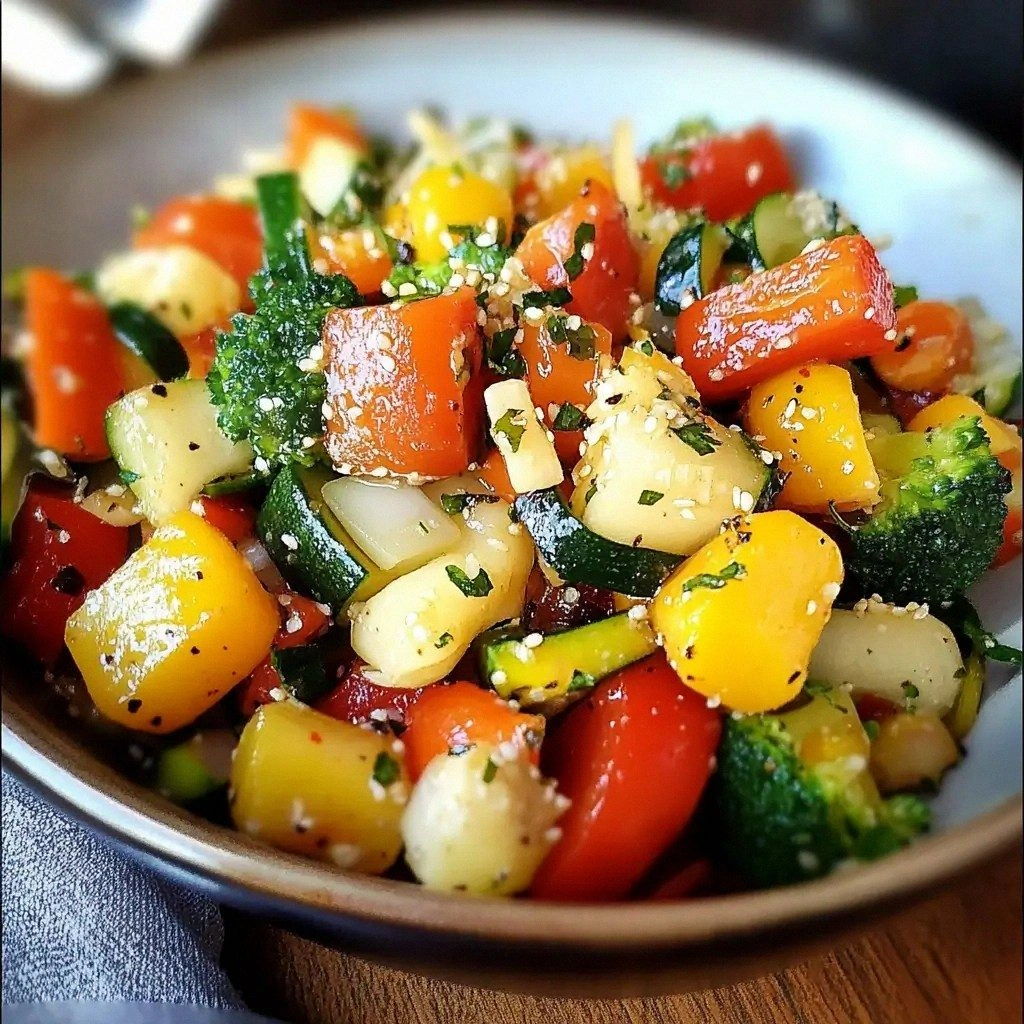
Picture this: a bowl of vibrant, diced vegetables that glisten with a glossy vinaigrette, the aroma of fresh herbs and citrus dancing in the air, the crunch of fresh cucumber that snaps like a crisp snap of a new phone, and the subtle tang of capers that bite like a witty punchline. Imagine the first spoonful sending a wave of bright, refreshing flavors across your palate, leaving a lingering hint of oregano and basil that makes you want to dip another forkful. That’s the kind of sensory experience I was chasing when I set out to reinvent the classic marinated salad.
What makes this version stand out is that it’s not just marinated vegetables; it’s a symphony of flavors, textures, and colors that elevate the humble salad to an unforgettable dish. I’ve combined a balance of acidity, oil, and herbs that coat each vegetable like a velvet blanket, while the addition of capers and olives adds a briny punch that cuts through the sweetness of the tomatoes. The result is a salad that’s as satisfying as a hearty main course but light enough to be served as an appetizer or side. I dare you to taste this and not go back for seconds.
And here’s the kicker: I discovered that letting the vegetables marinate for a minimum of 30 minutes (or even overnight) unlocks a depth of flavor that you can’t get by simply tossing everything together. The olive oil doesn’t just coat; it permeates, turning each bite into a burst of umami and freshness. By the end of this guide, you’ll know exactly how to achieve that perfect balance, and I promise you’ll wonder how you ever made it any other way.
What Makes This Version Stand Out
- Taste: The blend of citrus, vinegar, and herbs creates a bright, layered profile that awakens the senses. The capers and olives add a salty depth that elevates the entire dish. The result is a flavor explosion that feels both sophisticated and approachable.
- Texture: Fresh, crisp vegetables are complemented by a silky vinaigrette that coats without sogginess. The carrots provide a satisfying crunch, while the zucchini adds a tender, almost silky bite. Every forkful feels balanced and refreshing.
- Simplicity: With only 14 ingredients, you can whip up a restaurant-quality salad in under 45 minutes. No elaborate steps or special equipment required—just a bowl, a whisk, and a bit of patience.
- Uniqueness: The inclusion of black olives, capers, and feta gives this salad a Mediterranean flair that sets it apart from standard garden salads. The marination technique locks in flavors, creating a dish that feels both fresh and deeply seasoned.
- Crowd Reaction: Friends rave about the “wow” factor when they first taste it. It’s the kind of dish that turns a casual gathering into a memorable event. I’ve seen people ask for the recipe after just one bite.
- Ingredient Quality: Using organic, seasonal produce and high-quality olive oil makes all the difference. Fresh herbs are the secret to a bright, aromatic finish. The feta’s tang balances the richness of the olive oil.
- Cooking Method: The marination step is the game-changer. By allowing the vegetables to absorb the vinaigrette, the flavors meld beautifully. The result is a dish that tastes like it’s been simmering for hours, yet is ready in minutes.
- Make‑Ahead Potential: Marinate the vegetables up to 24 hours in advance and keep them refrigerated. The flavors only deepen, making it perfect for prepping for parties or busy weeknights.
Inside the Ingredient List
The Flavor Base
Extra virgin olive oil, red wine vinegar, lemon juice, minced garlic, dried oregano, and dried basil form the core of this salad’s flavor. Olive oil provides a silky mouthfeel and carries the herbs, while the vinegar and lemon juice add acidity that brightens every bite. Garlic brings a warm, savory depth that balances the citrusy tang. If you’re looking for a different flavor profile, swap red wine vinegar for sherry vinegar to introduce a nutty undertone.
Choosing a high-quality, cold-pressed olive oil is essential; it should have a peppery finish that lingers on the tongue. The acidity from the vinegar should be sharp but not overpowering—think about the bite of a good aged balsamic. A fresh squeeze of lemon juice is the secret to a bright, clean finish that cuts through the richness of the oil.
If you’re on a budget, a good mid-range olive oil works fine, but avoid the cheap, low-clarified ones that taste flat. The herbs should be dried for this recipe because they release flavor slowly during marination. Fresh herbs can be used if you’re marinating for less than an hour, but dried herbs are more forgiving for longer times.
The Texture Crew
Cucumber, cherry tomatoes, bell pepper, carrots, zucchini, red onion, black olives, and capers contribute distinct textures. Cucumbers add a crisp snap, while carrots bring a satisfying crunch. Bell pepper offers a juicy bite, and zucchini provides a tender, almost silky feel. The red onion adds a subtle sharpness that brightens the overall flavor.
Capers and olives introduce a briny, salty contrast that prevents the salad from feeling too sweet. The feta cheese adds a creamy, slightly crumbly texture that balances the crunch. If you prefer a vegan version, simply omit the feta and add a handful of toasted pine nuts for a nutty bite.
When selecting produce, look for firm, unblemished pieces. For the cucumbers, a thick skin adds a pleasant bite; for tomatoes, choose vine-ripened ones that hold their shape. Carrots should be bright orange and crisp; avoid those that feel soft or have green tops. The zucchini should be firm and green, not yellow or soft.
The Unexpected Star
Black olives and capers are the hidden gems that elevate this salad. Olives bring a salty, savory depth that balances the acidity of the vinaigrette, while capers add a bright, almost citrusy tang that cuts through the oil. Together, they create a flavor profile reminiscent of a Mediterranean breeze.
If you’re allergic to shellfish, capers are still safe, but if you’re sensitive to olives, consider using a small amount of sun-dried tomatoes for a sweet, chewy alternative. These ingredients also add a pop of color, making the dish visually stunning.
The key to their effectiveness lies in their brininess. Don’t rinse the olives or capers too vigorously; a light rinse preserves their flavor. If you prefer a milder taste, soak them briefly in warm water before adding them to the salad.
The Final Flourish
Fresh parsley, feta cheese, and a drizzle of olive oil finish the dish with a burst of color and richness. Parsley adds a bright, grassy note that brightens the entire salad. Feta brings a creamy, tangy component that balances the oil and acidity. A final drizzle of olive oil ties everything together.
If you’re looking for a vegan twist, replace feta with a sprinkle of nutritional yeast for a cheesy flavor, or add a handful of toasted pumpkin seeds for crunch. The final drizzle of olive oil should be a thin stream, not a pool, to keep the salad from becoming soggy.
Remember to let the salad sit at room temperature for about 10 minutes before serving; this allows the flavors to meld and the vegetables to soften slightly, enhancing their mouthfeel.
Everything's prepped? Good. Let's get into the real action...
The Method — Step by Step
- Begin by washing all vegetables under cold water, then pat them dry with a clean towel. Dice the cucumber, cherry tomatoes, bell pepper, carrots, zucchini, and red onion into bite-sized pieces. This ensures each bite is uniform and easy to eat. If you prefer a softer texture, slice the carrots and zucchini into thinner strips.
- In a large mixing bowl, combine the diced vegetables, black olives, and capers. Toss gently to distribute them evenly; you want each piece to get a little touch of the upcoming vinaigrette. This step is crucial for a balanced flavor distribution.
- In a separate small bowl, whisk together the olive oil, red wine vinegar, lemon juice, minced garlic, dried oregano, dried basil, salt, and black pepper. Whisk until the mixture emulsifies and the oil and vinegar blend into a smooth, glossy dressing. If the mixture separates, give it a quick second whisk.
- Pour the vinaigrette over the vegetables and stir until every piece is coated. The vinaigrette should cling to the veggies like a fine mist, not pool. This is the moment where the flavors start to mingle; the acidity begins to soften the vegetables slightly.
- Add the crumbled feta cheese and chopped fresh parsley to the bowl. Gently fold them in so the feta doesn’t break apart into a mush. The parsley adds a fresh, herbaceous aroma that lifts the entire dish.
- Cover the bowl with plastic wrap and refrigerate for at least 30 minutes, but up to 24 hours for deeper flavor. During this time, the vegetables will absorb the vinaigrette, and the flavors will meld beautifully. If you’re in a rush, 15 minutes will still yield a tasty result.
- Watch Out: When marinating, avoid overmixing the salad. Excessive stirring can cause the vegetables to become soggy and lose their crunch. Lightly toss just enough to coat each piece.
- Just before serving, give the salad a final gentle toss. Taste and adjust seasoning if needed—add a pinch more salt or a splash of lemon juice for brightness. The final touch should make the flavors pop.
- Serve the salad chilled, either on its own as an appetizer or alongside grilled proteins as a side dish. A drizzle of extra virgin olive oil before plating adds a glossy finish that makes the salad look irresistible.
- If you’re serving at a gathering, keep the salad chilled in the refrigerator until the last minute. This preserves the crispness of the vegetables and the vibrancy of the herbs.
That's it — you did it. But hold on, I've got a few more tricks that'll take this to another level...
Insider Tricks for Flawless Results
The Temperature Rule Nobody Follows
Always marinate at room temperature for the first 10 minutes, then refrigerate. This allows the vegetables to absorb the vinaigrette more evenly. If you start marinating at a cold temperature, the oil and vinegar separate, leading to a watery dressing. I’ve seen this happen when people rush the step and end up with a soggy salad.
Why Your Nose Knows Best
Before adding the final drizzle of olive oil, sniff the salad. If it smells too sharp, it needs a bit more oil or a splash of lemon juice. The aroma is a reliable indicator of balance. I once added too much vinegar, and the salad smelled like a citrus bomb. A quick sniff saved the dish.
The 5-Minute Rest That Changes Everything
After tossing the salad, let it sit uncovered for 5 minutes before serving. This short rest allows the flavors to settle and the vegetables to rehydrate slightly. I’ve found that salads served immediately after marination taste a bit flat; the brief pause makes a noticeable difference.
The Secret of Salt
Use flaky sea salt instead of regular table salt. The flaky texture adds a subtle crunch, and the mineral profile enhances the herbs. Salt to taste is fine, but remember that the feta and olives already contribute saltiness, so adjust accordingly.
The Finish Line
Just before serving, add a squeeze of fresh lemon juice. This brightens the entire dish and cuts through the oiliness. If you prefer a sweeter finish, add a teaspoon of honey or maple syrup. I’ve used honey once, and the salad felt like a summer picnic.
Creative Twists and Variations
This recipe is a playground. Here are some of my favorite ways to switch things up:
Mediterranean Power Boost
Swap the feta for goat cheese, add sun-dried tomatoes, and sprinkle with toasted pine nuts. The goat cheese brings a tangier flavor, while the pine nuts add a buttery crunch. This version works great with grilled chicken.
Southwestern Twist
Replace the oregano and basil with cumin and smoked paprika. Add diced avocado and a handful of corn kernels. The smoky flavor pairs well with black beans and grilled steak.
Vegan Delight
Omit the feta and olives, and add a splash of soy sauce for umami. Toss in roasted chickpeas for protein and a crunchy texture. This salad becomes a hearty, plant-based meal on its own.
Asian Fusion
Use rice vinegar instead of red wine vinegar, add a teaspoon of sesame oil, and sprinkle toasted sesame seeds on top. Mix in thinly sliced cucumber, carrots, and bell pepper. The sesame flavor gives the salad an unmistakable Asian vibe.
Summer Berry Burst
Add a handful of fresh blueberries or sliced strawberries. Replace the lemon juice with lime for a zesty twist. The berries add a pop of sweetness that balances the brine of olives and capers.
Winter Warmth
Incorporate roasted butternut squash cubes and a pinch of cinnamon. Use a warm vinaigrette with apple cider vinegar and a touch of maple syrup. This version feels like a cozy, seasonal salad.
Storing and Bringing It Back to Life
Fridge Storage
Store the marinated salad in an airtight container for up to 3 days. Keep it chilled at 4°C (39°F). If you notice any excess liquid, drain it before serving to maintain crispness.
Freezer Friendly
Freezing is not recommended for this salad, as the vegetables will become mushy once thawed. However, you can freeze the vinaigrette separately in a freezer-safe container for up to 2 months. Reheat the dressing in a saucepan at low heat, then whisk into fresh vegetables.
Best Reheating Method
If you need to reheat the salad, add a splash of warm water or a small amount of olive oil before warming it in a microwave for 30 seconds. This trick steams the vegetables back to their original crispness. Avoid overcooking; the goal is to revive, not cook.