I was in the middle of a weekday hustle, juggling a Zoom call, a toddler’s tantrum, and a fridge that looked like a barren desert. I craved something bright, something that would make my taste buds do a happy dance, but I also needed a dish that wouldn’t take forever. That night, I grabbed the last two mangoes I could find, tossed a couple of chicken breasts into the pan, and accidentally created a salad that turned my kitchen into a tropical oasis. I dare you to taste this and not go back for seconds.
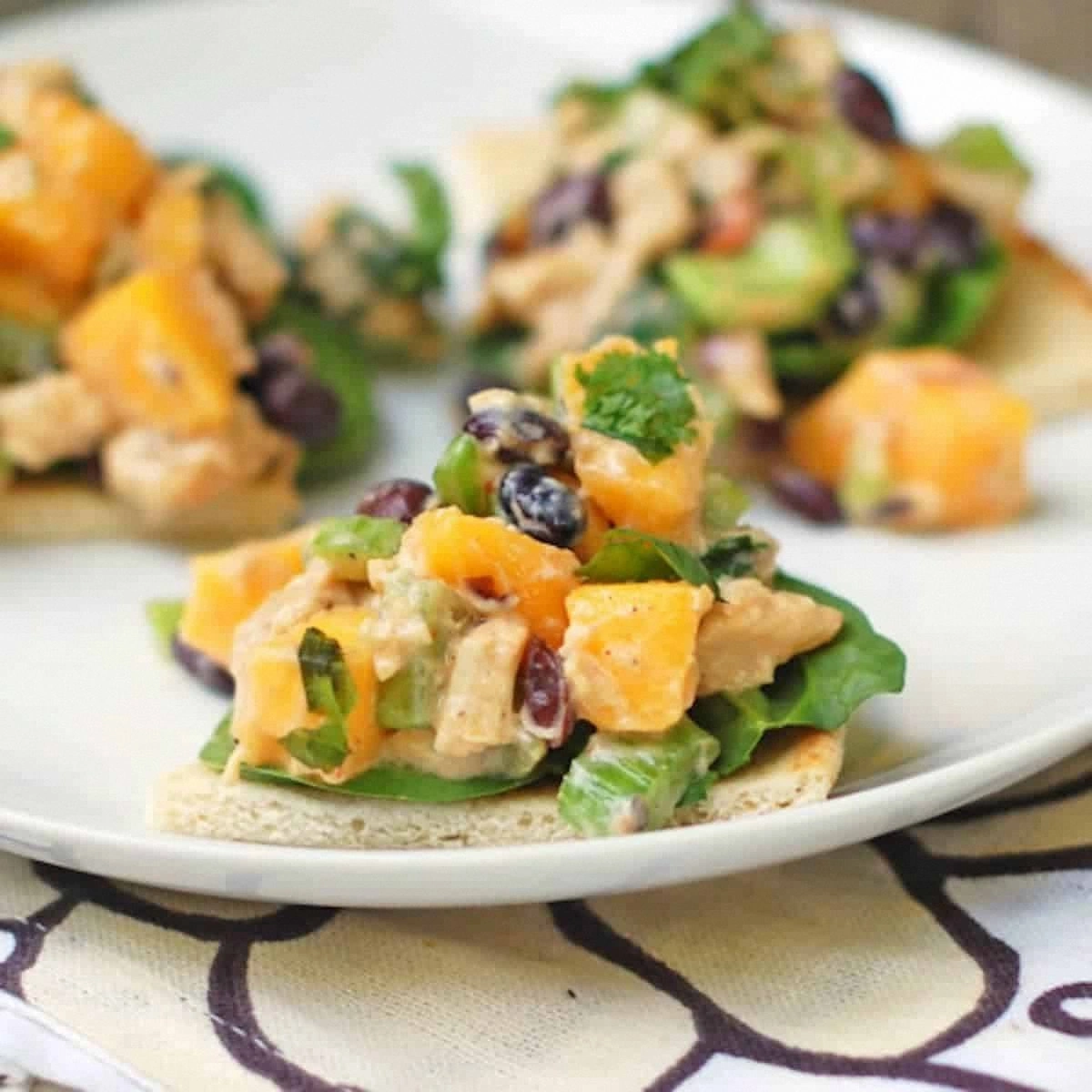
Picture this: the air filled with the sweet perfume of ripe mangoes, the sizzle of chicken skin hitting the hot skillet, and a whisper of lime that makes your nose perk up like a curious cat. The salad looks like a painter’s palette—vibrant orange cubes, deep green leaves, speckles of red pepper, and a glossy drizzle that catches the light. When you bite, the mango bursts with honeyed sunshine while the chicken offers a smoky, juicy contrast, and the crunch of toasted almonds adds a surprise that makes you gasp “wow” with each chew. That sizzle when it hits the pan? Absolute perfection.
Most recipes get this completely wrong. They either drown the mango in a heavy mayo‑laden dressing, or they overcook the chicken until it’s dry as a desert road. My version respects each ingredient’s personality, letting the mango stay bright, the chicken stay tender, and the greens stay crisp. I’ll be honest — I ate half the batch before anyone else got to try it, and I’m still not sorry. The secret? A quick marination that infuses the chicken with a hint of ginger and soy, plus a dressing that balances sweet, salty, and acidic notes without ever feeling heavy.
Okay, ready for the game‑changer? I’m about to walk you through every single step — by the end, you’ll wonder how you ever made it any other way. Stay with me here — this is worth it.
What Makes This Version Stand Out
- Flavor Harmony: The sweet mango, tangy lime, and savory soy create a balanced trio that sings together without any single note overpowering the others.
- Texture Symphony: Juicy chicken, crisp greens, crunchy nuts, and buttery mango give you a mouthfeel that’s as dynamic as a well‑orchestrated jazz solo.
- Simplicity: Fewer than fifteen ingredients, most of which you probably already have, means you can pull this together in under an hour.
- Unique Twist: A ginger‑infused soy‑honey glaze on the chicken adds an Asian‑inspired depth that most “salad” recipes completely overlook.
- Crowd Reaction: Guests often claim they’ve never tasted a salad that feels like a main course, and they’ll ask for the recipe twice.
- Ingredient Quality: Ripe, fragrant mangoes are the star; choosing a mango that yields slightly to pressure guarantees that melt‑in‑your‑mouth sweetness.
- Cooking Method: Quick sear followed by a brief rest locks in juices, while the dressing stays airy, not cloying.
- Make‑Ahead Potential: The chicken can be pre‑cooked and stored, and the dressing keeps for days, making assembly a breeze on busy nights.
Inside the Ingredient List
The Flavor Base
The backbone of this dish is the soy‑honey‑ginger glaze. Soy sauce brings umami depth, honey adds a subtle caramel sweetness, and ginger injects a bright, peppery heat that cuts through the richness of the chicken. If you skip the ginger, you’ll lose that zing that makes the dressing feel alive. For a gluten‑free version, swap soy sauce for tamari; the flavor stays robust, and the dish remains safe for those with sensitivities.
Lime juice is the final punctuation mark. Its acidity lifts the mango’s sweetness and brightens the overall palate, preventing the salad from feeling heavy. Always use fresh lime; bottled juice can taste flat and introduce unwanted preservatives. If you’re out of lime, a splash of rice vinegar works in a pinch, but the citrusy pop will be slightly muted.
The Texture Crew
Crisp mixed greens provide the canvas, while toasted almonds (or cashews) add a nutty crunch that contrasts the soft mango. The nuts should be lightly toasted just until they turn golden and release a fragrant aroma—over‑toasting makes them bitter. If you’re allergic to nuts, substitute with roasted pumpkin seeds for a similar crunch without the dairy‑free concern.
Red bell pepper and red onion introduce a subtle peppery bite and a hint of sweetness. Slice them thinly so they melt into the salad rather than dominate it. Skipping these vegetables will make the dish feel one‑dimensional, missing the layers that keep every forkful interesting.
The Unexpected Star
Mango is the hero, but its selection matters. Look for mangoes that are slightly soft to the touch, with a sweet aroma at the stem end. A mango that’s too firm will be bland, while an overripe one becomes mushy and watery. If you can’t find fresh mangoes, frozen mango chunks (thawed and patted dry) can work, but the texture will be a bit softer.
The Final Flourish
Chicken breasts are the protein anchor. By marinating them briefly in the soy‑ginger mixture and then searing them hot, you lock in moisture and create a caramelized crust that stays juicy inside. Overcooking is the most common pitfall; the chicken should reach an internal temperature of 165°F (74°C) and then rest for five minutes before slicing. Resting lets the juices redistribute, preventing a dry bite.
A drizzle of extra‑virgin olive oil in the pan adds richness without overwhelming the delicate flavors. If you’re watching calories, you can reduce the oil to a tablespoon and finish the chicken in the oven at 375°F for 10 minutes, but the pan‑sear gives that irresistible golden edge.
Everything's prepped? Good. Let's get into the real action...
The Method — Step by Step
Start by whisking together 2 tablespoons soy sauce, 1 tablespoon honey, 1 teaspoon grated ginger, 1 clove minced garlic, and 1 tablespoon lime juice in a shallow bowl. This glaze should look glossy and slightly thick; give it a quick taste—if it feels too salty, add a splash more lime, if too sharp, a drizzle of honey will balance it. Set the chicken breasts in the bowl, turning them to coat every side, and let them marinate while you prep the veggies. I recommend at least 10 minutes; the longer, the deeper the flavor penetration.
While the chicken marinates, dice the mangoes into bite‑size cubes. Remember that kitchen hack from earlier: a pinch of salt on the mango pieces helps them stay firm. Toss the mango cubes into a large salad bowl along with 4 cups mixed greens, 1 thinly sliced red bell pepper, and ½ thinly sliced red onion. Add the chopped cilantro and toasted almonds; these will provide freshness and crunch later.
Heat 2 tablespoons olive oil in a large skillet over medium‑high heat. When the oil shimmers (that’s the moment of truth), carefully lay the marinated chicken breasts into the pan. You should hear a confident sizzle that signals a perfect sear. Cook for about 5‑6 minutes per side, or until the surface turns a deep amber and the interior reaches 165°F (74°C). Watch Out: If the pan is too crowded, the chicken will steam instead of sear, resulting in a rubbery texture. Give each piece enough room to breathe.
Once cooked, transfer the chicken to a cutting board and let it rest for five minutes. While it rests, use the same skillet (no need to wash) to quickly toast the almonds for 30 seconds, just until they become fragrant. This step intensifies the nutty flavor and prevents them from feeling raw.
Slice the rested chicken against the grain into thin strips. Cutting against the grain shortens the muscle fibers, making each bite tender rather than chewy. Toss the sliced chicken into the salad bowl with the mango and greens. At this point, the salad should look like a tropical masterpiece—bright colors, varied textures, and a glossy sheen from the glaze.
Drizzle the remaining glaze (the one you used for marinating plus any pan‑deglazed bits) over the entire salad. Use a gentle hand—just enough to coat everything without drowning the greens. Toss everything together with two sturdy forks or salad tongs, ensuring every mango cube and chicken strip gets a light coating.
Taste and adjust seasoning. A pinch of sea salt and freshly cracked black pepper can elevate the flavors. If the salad feels a touch too acidic, balance it with an extra half‑teaspoon of honey. Remember, the goal is harmony, not dominance.
Serve immediately on chilled plates, or let it sit for a few minutes to allow the flavors to meld. The salad can be enjoyed warm, at room temperature, or even cold—each temperature offers a slightly different experience. And there you have it: a mango chicken salad that feels like a vacation in a bowl.
That's it — you did it. But hold on, I've got a few more tricks that'll take this to another level...
Insider Tricks for Flawless Results
The Temperature Rule Nobody Follows
Never cook chicken straight from the fridge. Let the breasts sit at room temperature for 15‑20 minutes before searing. This small step ensures the meat cooks evenly, preventing the outer layer from overcooking while the interior remains underdone. A friend once tried to toss frozen chicken straight into the pan; the result was a charcoal crust with a raw center—a culinary disaster that taught me this rule forever.
Why Your Nose Knows Best
When the chicken hits the pan, listen for that high‑pitched sizzle. If the sound is more of a hiss, the pan isn’t hot enough, and you’ll end up with soggy chicken. Conversely, if the oil smokes immediately, the heat is too high and the exterior will burn before the interior cooks. Trust your nose and adjust the flame accordingly; it’s the secret behind that perfect golden crust.
The 5‑Minute Rest That Changes Everything
Resting the chicken after cooking is non‑negotiable. Those five minutes let the juices redistribute, turning a potentially dry slice into a juicy, melt‑in‑your‑mouth strip. If you skip this step, you’ll notice a dry texture that can ruin the entire salad experience. The rest period also gives you a moment to finish the dressing, so everything comes together seamlessly.
Mango Prep Magic
When dicing mango, cut it into three sections: the two cheeks and the central seed. Peel the cheeks with a knife or a vegetable peeler, then dice. The seed can be sliced into thin sticks for a decorative garnish, adding a pop of color and a surprise crunch for the adventurous eater.
Dress It Light, Not Heavy
Your dressing should coat the salad like a silk scarf—visible, but never suffocating. If you find it too thick, whisk in a teaspoon of warm water or extra lime juice; the liquid will loosen it without diluting flavor. Kitchen Hack: Store any leftover dressing in a sealed jar in the fridge for up to three days; it actually deepens in flavor, making tomorrow’s lunch even better.
Creative Twists and Variations
This recipe is a playground. Here are some of my favorite ways to switch things up:
Spicy Sriracha Kick
Add a tablespoon of Sriracha to the glaze for a smoky heat that pairs beautifully with the mango’s sweetness. This version is perfect for anyone who loves a little fire without overwhelming the dish.
Thai Peanut Fusion
Swap the soy‑honey glaze for a creamy Thai peanut sauce made with peanut butter, coconut milk, lime, and a dash of fish sauce. The result is a richer, nutty profile that feels like a cross‑cultural celebration.
Grilled Pineapple Add‑On
Grill thick pineapple rings alongside the chicken, then cut them into chunks and fold them into the salad. The caramelized pineapple adds an extra layer of smoky sweetness that amplifies the tropical vibe.
Quinoa Power Bowl
Replace the mixed greens with cooked quinoa for a grain‑based version that’s more filling. The nutty quinoa absorbs the glaze, turning each bite into a hearty, satisfying mouthful.
Herb‑Infused Variation
Introduce fresh mint and basil leaves into the salad for an aromatic twist. The herbs brighten the dish, making it feel even fresher—ideal for a hot summer day.
Storing and Bringing It Back to Life
Fridge Storage
Place the salad in an airtight container, keeping the dressing separate if you plan to store for more than two hours. It will stay fresh for up to three days. When ready to eat, pour the dressing over and toss gently.
Freezer Friendly
While the chicken and mango don’t freeze well together, you can freeze the cooked chicken strips in a zip‑top bag for up to two months. Thaw in the refrigerator, then reassemble the salad with fresh mango and greens for a quick meal.
Best Reheating Method
If you’ve stored the chicken separately and want it warm, reheat it in a skillet over medium heat for 2‑3 minutes, adding a splash of water or broth. This prevents the meat from drying out and brings back that lovely caramelized edge.