I was standing in the kitchen, staring at a stack of bland pork chops that had been sitting in the fridge for a week. I could have tossed them into a grocery store’s pre‑seasoned mix, but that would have been a betrayal of my culinary curiosity. Instead, I grabbed my trusty skillet, a handful of pantry staples, and a recipe that promised to turn that forgettable cut into a showstopper. This is the moment that sparked a culinary revolution in my home kitchen.
Picture this: the sizzling sound of pork hitting a hot pan, the aroma of garlic and smoked paprika filling the air, and the anticipation of that first bite that will leave you questioning every other pork recipe you’ve ever tried. I was so excited that I almost spilled the olive oil onto the counter—luckily, I caught it before it hit the tile. The heat was just right, the pan was shimmering, and the pork chops were about to be transformed.
What made this version stand out? I was determined to avoid the usual pitfalls: dry meat, uneven seasoning, and a lackluster glaze. I wanted something that would keep the pork juicy, give it a caramelized crust, and deliver a burst of flavor with every bite. I experimented with a blend of sweet and savory, a touch of acidity, and a final butter finish that locks in moisture. The result? A dish that’s hands down the best version you’ll ever make at home.
And there’s a secret ingredient that will surprise you—yes, you heard that right. A splash of apple cider vinegar is the key to achieving that perfect balance between sweet and tangy. It’s a small addition that makes a huge difference. I dare you to taste this and not go back for seconds. Let me walk you through every single step—by the end, you’ll wonder how you ever made it any other way.
What Makes This Version Stand Out
Flavor: The combination of honey, soy sauce, and Dijon mustard creates a glaze that coats the pork like velvet, delivering a sweet-salty depth that’s hard to beat.
Texture: A quick sear followed by an oven finish locks in juices, giving each chop a tender interior with a crispy, caramelized crust.
Simplicity: With fewer than a dozen ingredients and a single pan, this recipe is a breeze to prepare even on a busy weeknight.
Uniqueness: The blend of smoked paprika and apple cider vinegar adds a smoky, slightly acidic twist that elevates the classic pork chop.
Crowd Reaction: Friends who have tasted this dish swear that they could never go back to plain grilled pork chops.
Ingredient Quality: Using fresh, high‑quality pork and fresh herbs ensures a flavor profile that feels luxurious yet approachable.
Cooking Method: The two‑step approach—searing then baking—ensures even cooking and a beautiful finish.
Make‑Ahead Potential: The glazed pork can be prepared ahead of time, refrigerated, and reheated without losing its juiciness.
Alright, let's break down exactly what goes into this masterpiece…
Inside the Ingredient List
The Flavor Base
The foundation of this dish lies in the blend of honey, soy sauce, and Dijon mustard. Honey brings natural sweetness that caramelizes beautifully when heated, while soy sauce adds umami and a subtle saltiness that grounds the dish. Dijon mustard introduces a sharp, peppery bite that cuts through the richness. Together, they form a glaze that coats the pork like velvet, ensuring every bite is packed with flavor.
If you skip this trio, the pork will feel flat and uninspired. The glaze is what turns a simple cut of meat into a showstopper. You can experiment with equal parts of each, but the ratios here are the sweet spot that balances sweet, savory, and tang.
The Aroma Crew
Garlic, smoked paprika, and dried thyme are the aromatic trio that elevates the dish. Garlic provides a pungent depth that permeates the meat, smoked paprika gives a subtle smokiness that mimics a grill, and thyme adds a herbaceous note that feels fresh and comforting.
If you’re a garlic purist, you can double the cloves. If you prefer a milder flavor, reduce the paprika. The key is to season the pork generously so that the aroma envelops your kitchen.
The Unexpected Star
Apple cider vinegar may seem like an odd addition, but it’s the secret weapon that brightens the glaze and prevents the pork from becoming overly sweet. The acidity cuts through the richness, creating a balanced flavor profile that lingers on the palate.
A pinch of vinegar can also help tenderize the meat during the cooking process. If you’re not a fan of vinegar’s sharpness, you can replace it with a splash of white wine or lemon juice for a slightly different twist.
The Final Flourish
Butter is the final flourish that seals in moisture and adds a glossy sheen to the finished dish. The butter melts into the glaze, creating a silky coating that makes the pork chops look and taste restaurant‑quality.
If you’re watching calories, you can reduce the butter to 1 teaspoon or replace it with a tablespoon of olive oil. The key is to finish the dish with a small amount of fat to keep the pork juicy.
Everything's prepped? Good. Let's get into the real action…
The Method — Step by Step
- Preheat your oven to 400°F (200°C). While the oven is heating, pat the pork chops dry with paper towels. This step is crucial; moisture on the surface will steam the meat instead of searing it, which results in a soggy crust.
- In a small bowl, whisk together honey, soy sauce, Dijon mustard, apple cider vinegar, and a pinch of salt. The mixture should be smooth and well‑combined—think of it as a silky sauce that will coat the pork perfectly.
- Season both sides of the pork chops with salt, pepper, smoked paprika, dried thyme, and minced garlic. Be generous; seasoning is the backbone of flavor, and the pork chops need to be well‑flavored before glazing.
- Heat a large oven‑safe skillet over medium‑high heat. Add the olive oil and swirl to coat the pan. Once the oil shimmers, place the pork chops in the pan, skin side down if applicable, and sear for 2–3 minutes until a golden crust forms.
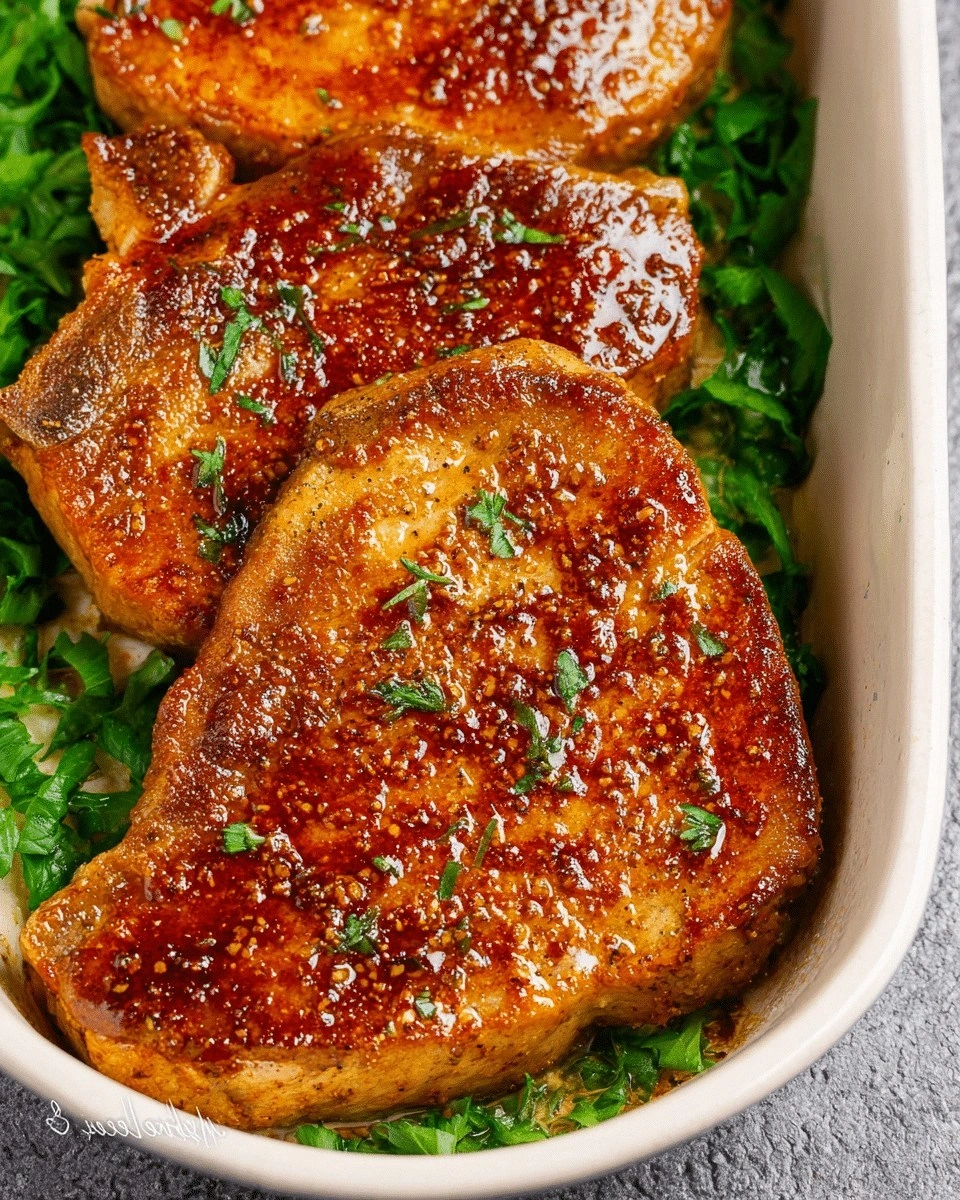
- Flip the chops and brush them generously with the glaze mixture. The glaze should coat the meat like a glossy coat of honey. Let it cook for another 2 minutes, allowing the glaze to caramelize slightly.
- Add a tablespoon of butter to the pan and let it melt, swirling the pan so that the butter coats the chops. Then, transfer the skillet to the preheated oven and bake for 10–12 minutes, or until the internal temperature reaches 145°F (63°C).
- Remove the skillet from the oven and let the pork chops rest for 5 minutes. Resting allows the juices to redistribute, ensuring that every bite stays moist.
- Finish by garnishing with chopped parsley and an extra drizzle of the glaze if desired. Serve immediately with your favorite side dish.
That's it—you did it. But hold on, I've got a few more tricks that'll take this to another level…
Insider Tricks for Flawless Results
The Temperature Rule Nobody Follows
Many cooks rely on the stovetop alone, but adding an oven finish is the secret to a perfectly even cook. The oven’s steady heat ensures the inside reaches the right temperature without over‑searing the outside. I’ve seen pork chops that are charred on the outside yet still raw inside; this two‑step method eliminates that risk.
Why Your Nose Knows Best
When you’re halfway through cooking, pause and inhale the aroma. A sweet, caramelized scent indicates the glaze is doing its job. If the smell is more metallic or raw, you may need to adjust the heat or add a splash of broth to keep the meat moist.
The 5-Minute Rest That Changes Everything
Resting the pork chops for five minutes is often overlooked, but it’s essential for juiciness. During this time, the juices redistribute from the center to the surface, preventing them from spilling onto the plate when you cut. Think of it as the meat’s own “recharge” period.
The Garlic‑Infused Oil Trick
Before searing, add a crushed garlic clove to the oil and let it infuse for 30 seconds. This step adds an extra layer of flavor that permeates the meat without burning the garlic. Just remember to remove the clove before adding the pork chops to avoid bitterness.
The Butter Finish for Extra Moisture
Butter isn’t just for flavor; it also creates a protective barrier that locks in moisture. The fat coats the surface, preventing the juices from evaporating during the oven bake. If you’re watching calories, a tablespoon of butter is more than enough to achieve that glossy finish.
Creative Twists and Variations
This recipe is a playground. Here are some of my favorite ways to switch things up:
Spicy Chipotle Glaze
Swap the apple cider vinegar for chipotle in adobo sauce and add a pinch of cayenne pepper. The smoky heat pairs beautifully with the pork’s natural sweetness.
Herb‑Infused Citrus
Replace the honey with orange marmalade and add fresh rosemary. The citrus notes brighten the dish, making it perfect for a summer dinner.
Asian Fusion
Use hoisin sauce instead of honey and add a splash of sesame oil. Finish with toasted sesame seeds for an extra crunch.
Mushroom Umami
Saute sliced mushrooms with the garlic before searing the pork. The earthy flavor adds depth and pairs wonderfully with the glaze.
Coconut‑Curry Twist
Add a tablespoon of coconut milk to the glaze and sprinkle curry powder. The creamy coconut and warm spices create a tropical flavor profile.
Storing and Bringing It Back to Life
Fridge Storage
Cool the pork chops completely before placing them in an airtight container. Store in the refrigerator for up to 3 days. The glaze will deepen in flavor as it sits.
Freezer Friendly
Wrap each pork chop individually in plastic wrap, then place them in a freezer bag. They’ll keep for up to 3 months. Thaw overnight in the refrigerator before reheating.
Best Reheating Method
Reheat in a skillet over medium heat, adding a splash of chicken broth or water to keep the meat moist. Finish with a quick drizzle of the glaze to restore the original shine.
Add a tiny splash of water before reheating — it steams back to perfection.